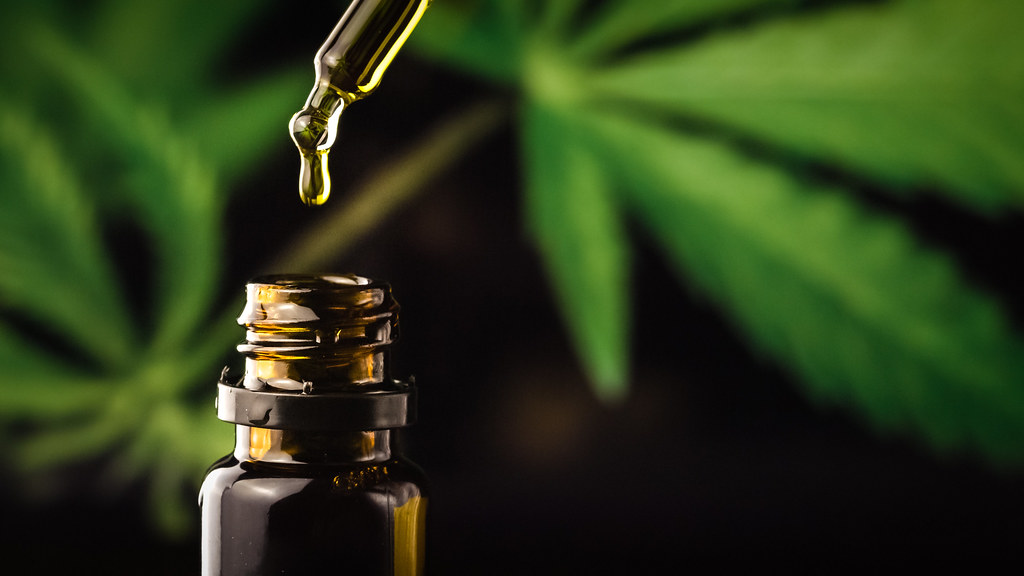
- Full spectrum products may contain CBD plus other naturally occurring cannabis compounds, including trace amounts of THC where legally allowed
- Broad spectrum products typically include CBD and other compounds but are marketed as having no THC
- CBD isolate contains only CBD and no other cannabinoids or plant compounds
If you’re shopping for CBD, the label is often more important than the marketing on the front of the package. A glossy bottle may look trustworthy, but the real clues are in the serving size, cannabinoid content, ingredients, and testing information.
Knowing how to read those details can help you compare products more confidently and avoid common disappointments.
→ Joint Genesis - Joint Health — free, takes about 60 seconds.
CBD products vary widely in strength, format, and quality. A good label should help you answer a few basic questions: What kind of CBD is it? How much CBD do you get per serving? What else is in the product?
And has the batch been tested by an independent lab?
Start with the type of CBD
The first thing to look for is whether the product is full spectrum , broad spectrum , or CBD isolate . These terms describe what’s in the extract, and they matter when you’re trying to compare products or avoid certain compounds.
- Full spectrum products may contain CBD plus other naturally occurring cannabis compounds, including trace amounts of THC where legally allowed.
- Broad spectrum products typically include CBD and other compounds but are marketed as having no THC.
- CBD isolate contains only CBD and no other cannabinoids or plant compounds.
These categories are not a quality ranking. Some shoppers prefer full spectrum products, while others want isolate because they’re avoiding THC entirely. What matters is whether the type matches your preference and your workplace, family, or travel considerations.
Check the amount per serving, not just the bottle size
One of the most common label mistakes is focusing on the total amount in the container instead of the amount per serving.
→ See what you could be approved for — free, takes about 60 seconds.
A bottle may contain a large number on the front, but that does not tell you how much CBD you get each time you use it.
For oils and tinctures, look for:
- Total CBD in the bottle , usually listed in milligrams.
- Serving size , often a dropperful or partial dropper.
- CBD per serving , which tells you how much you’re actually taking at once.
For gummies and capsules, the serving is usually one piece or a specific number of pieces. For topicals, the label may list CBD per jar or per ounce, though the amount absorbed through skin can be harder to estimate.
The key is to compare products using the same measure, such as milligrams per serving, not just the overall package size.

No comments:
Post a Comment